
Why We Need Microbat Boxes
Where Do Microbats Naturally Live?
Microbats Are Hollow Dependent
Did you know that many of our microbat species are ‘hollow dependent’? This means that they live during the daylight hours inside the hollows of trees, sometimes even hollow branches, or even fallen hollow logs.
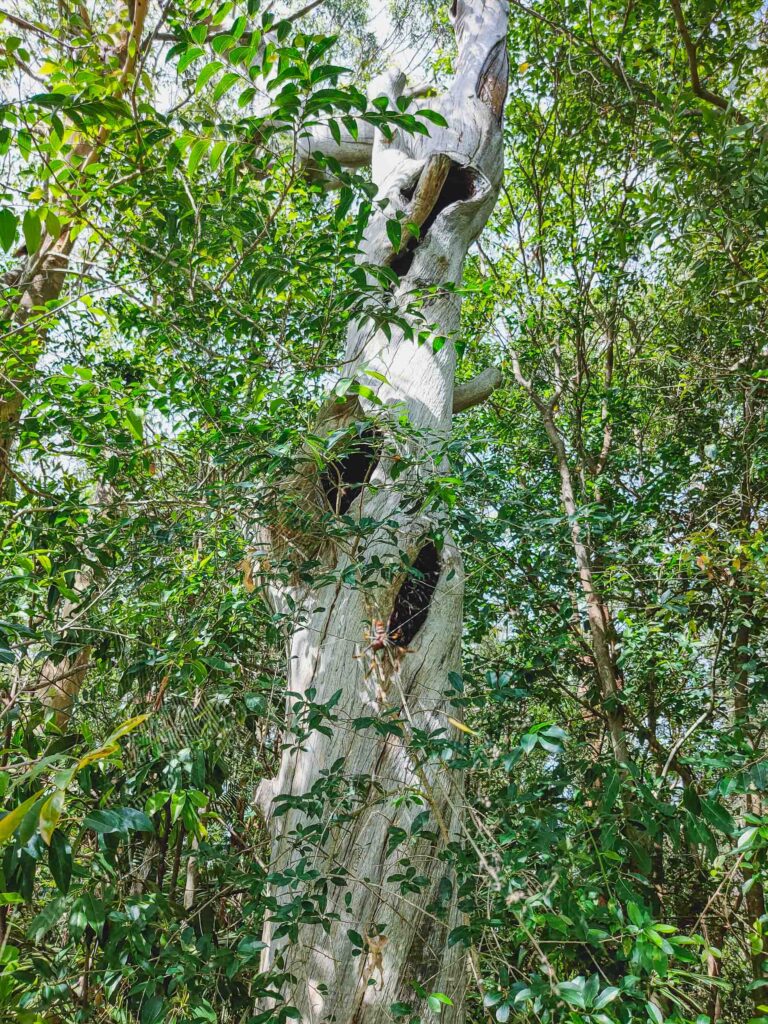
An old tree full of wonderful hollows.
These should NEVER be removed.
They provide a valuable home to much of our Australian wildlife.
As you can imagine there are many other animals also using hollows to live in. These include many types of birds, possums and gliders. Sadly however, these old trees and their hollows are disappearing due to land clearing.
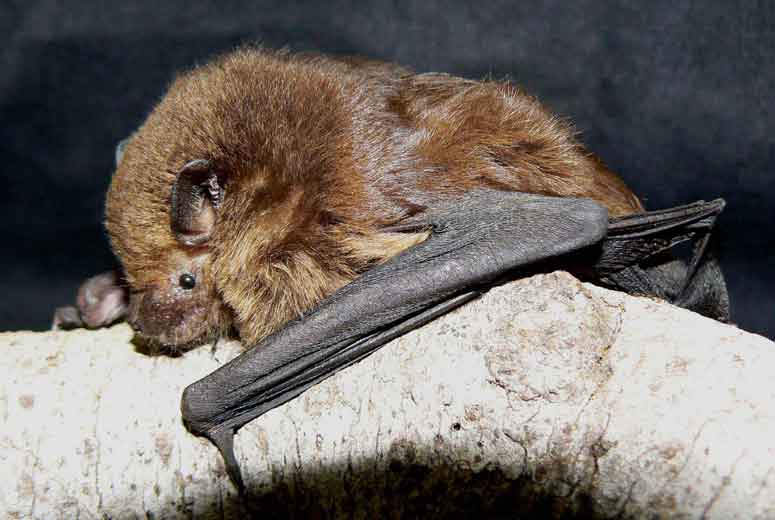
The Consequence Of Removing Hollows
Councils may remove a hollow tree or often cut hollow limbs from trees. They are presumed to pose a danger to the public in parks and reserves. Unfortunately it can take decades if not hundreds of years, for a tree to develop a hollow suitable for wildlife inhabitants.
On one occasion a small colony of Northern free-tailed bats (Mormopterus lumsdenae) were living in a 15cm diameter hollow branch. It had been hollowed out by termites and had become the perfect home. With many little twists and crevices for microbats to live in, they loved it!
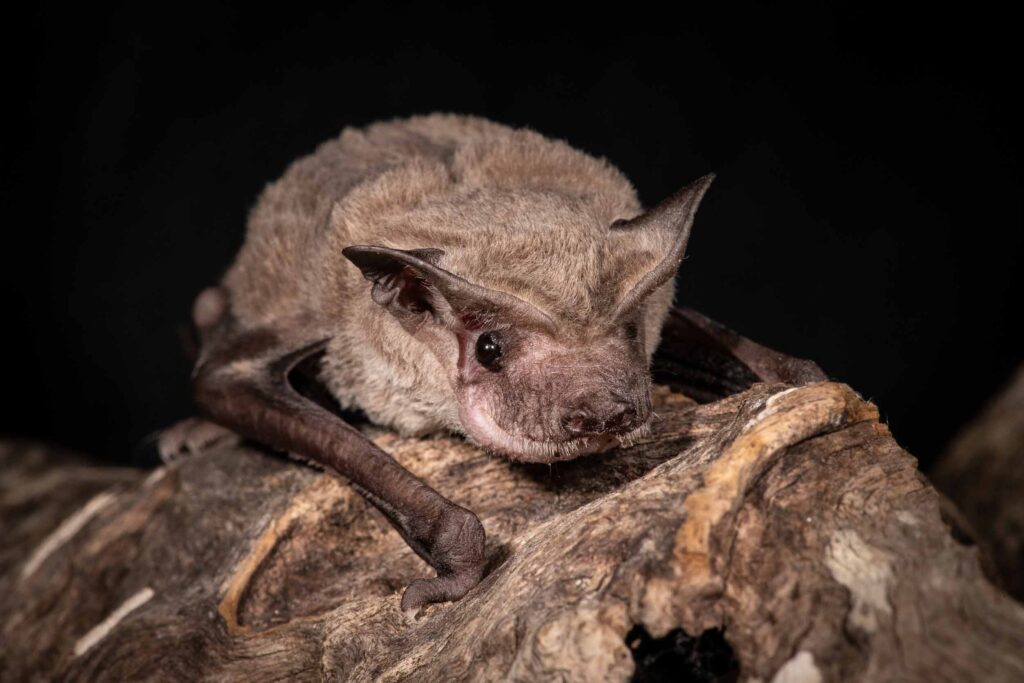
Unfortunately, well-meaning locals thought the tree needed a prune in case branches were to fall down on to the road.
The local Council authorised this to be done. But they were very surprised when hundreds of microbats were displaced as a result.
A massive rescue entailed. The whole branch with the remaining colony of microbats had to be lifted and removed. It was then taken by truck to a Bat Rescue member experienced with microbats.
Many microbats had been injured or even died during the process of felling the tree branch. But the remaining ones were eventually able to be rescued.
They were cared for and rehabilitated. And when ready for release, provided with a microbat box. The colony in their new home were successfully relocated soon after.
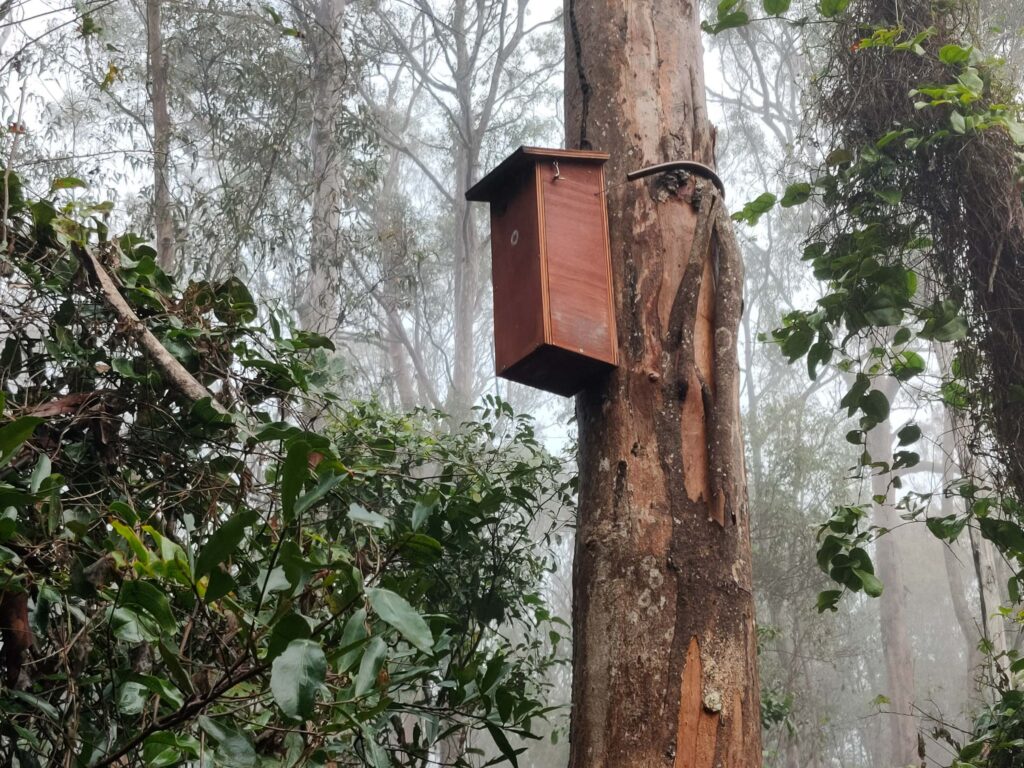
How To Prune Your Own Garden AND Keep Your Microbats Happy
You can prune your garden and still preserve a habitat for your hollow-dependent microbats (and other wildlife).
If you are not sure how to, then read: Microbats and Pruning Tips (ABS Publication, 2018)
Microbats Love Caves And Under Bridges
Microbats generally love warm moist conditions. Many species particularly reside in tiny crevices in caves, old mine shafts or under bridges.
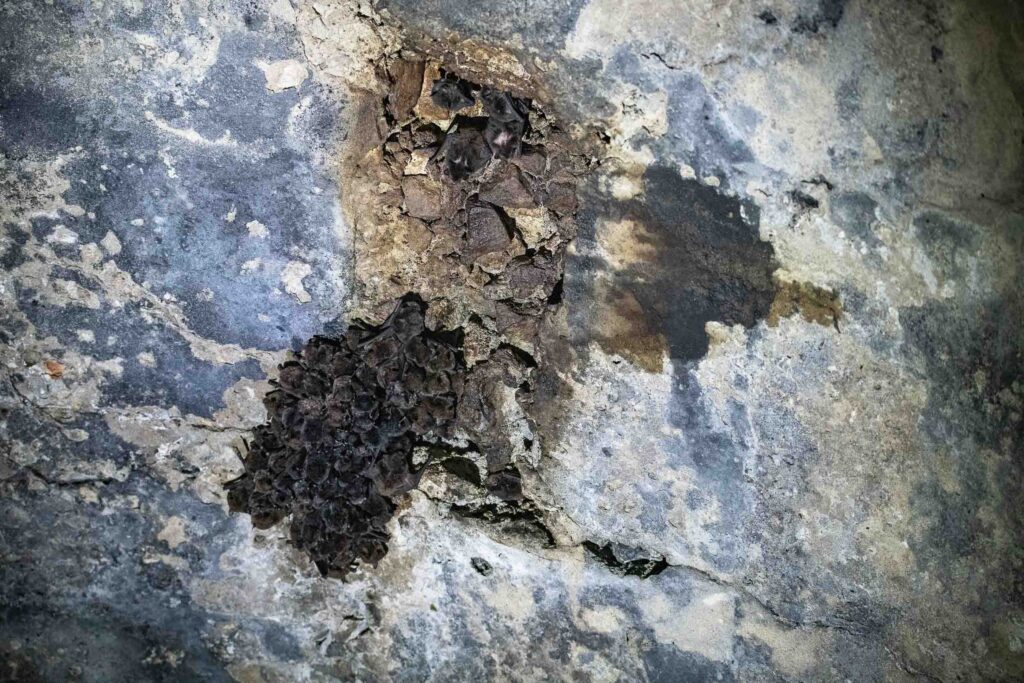
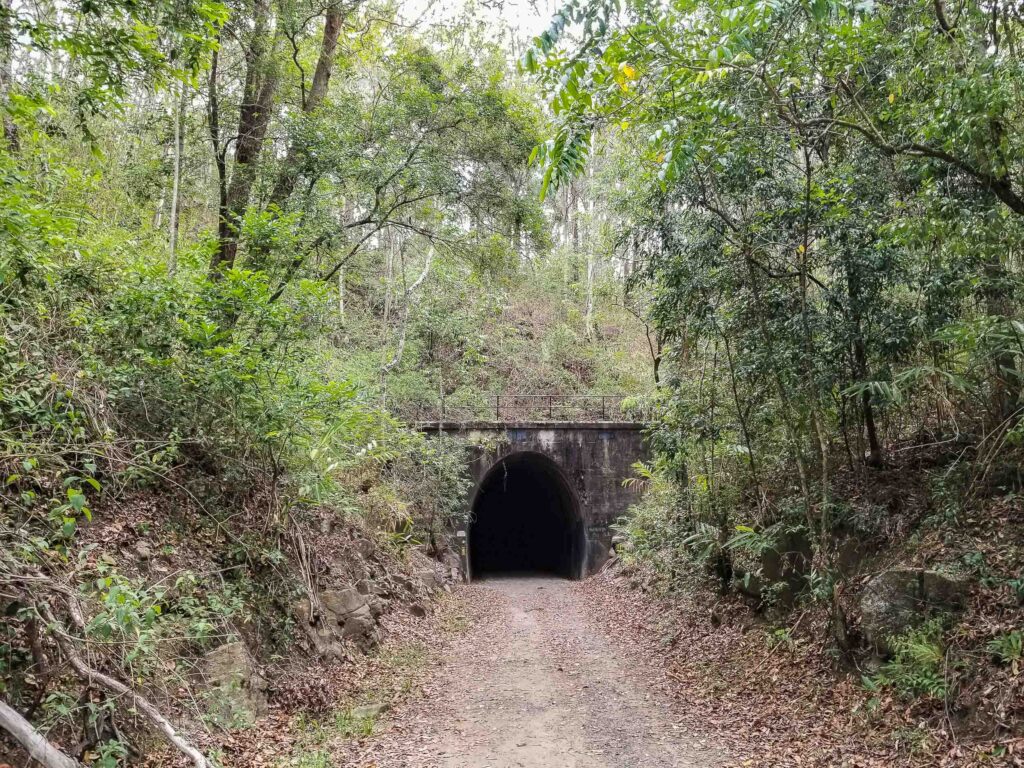
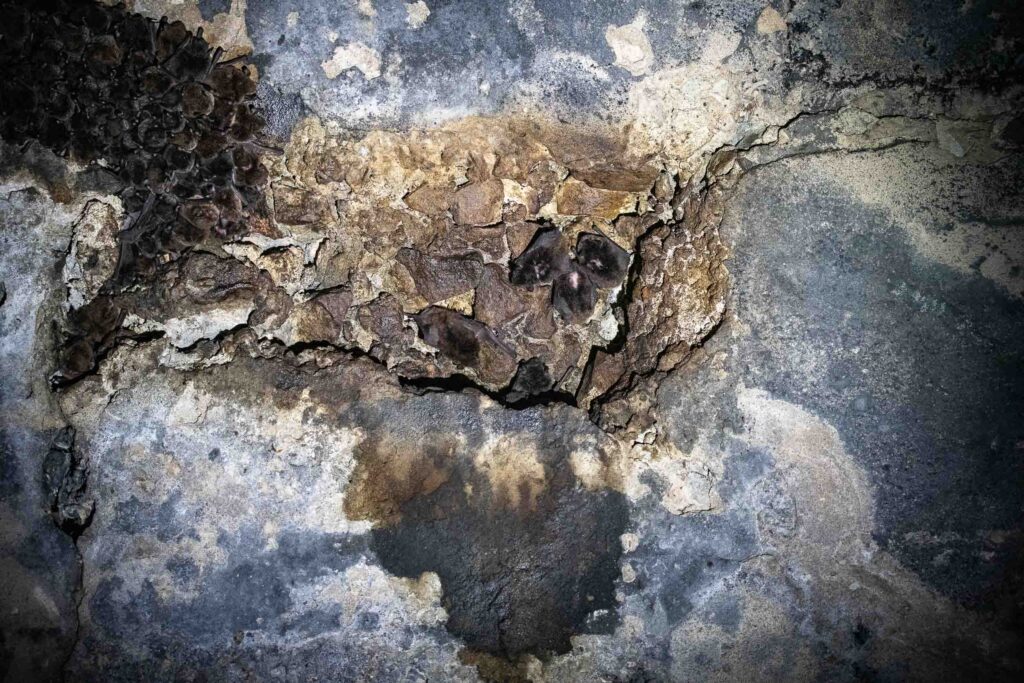
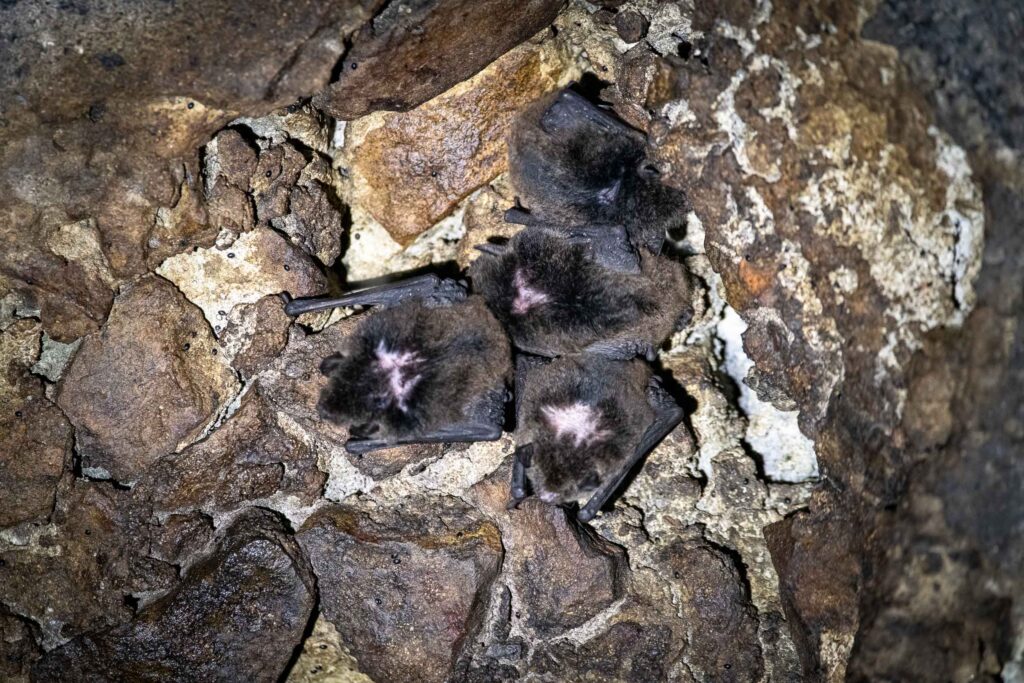
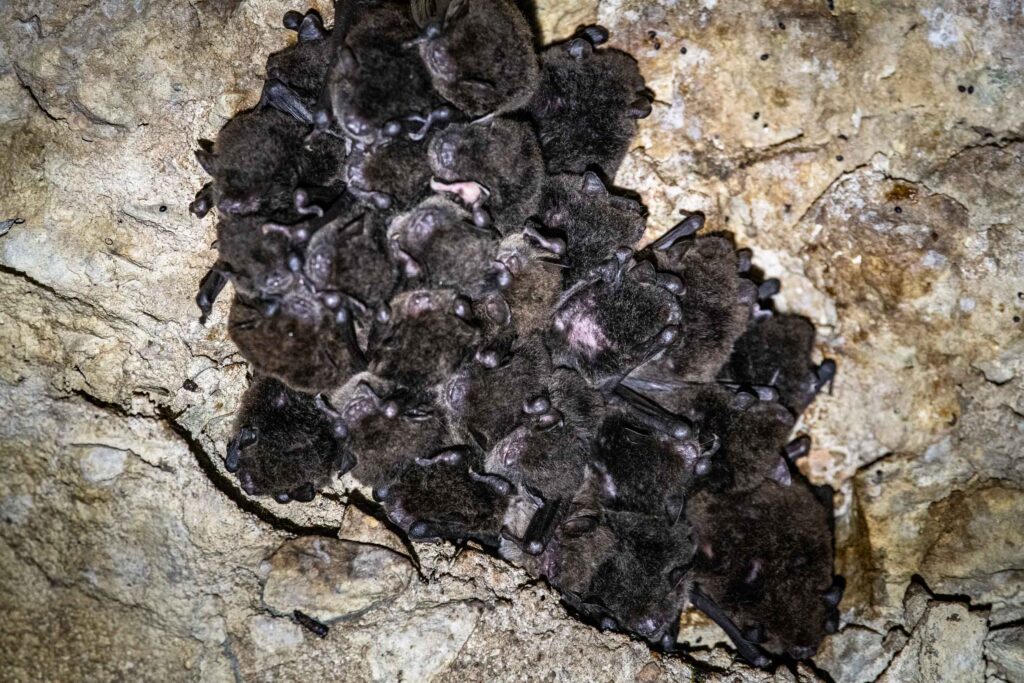
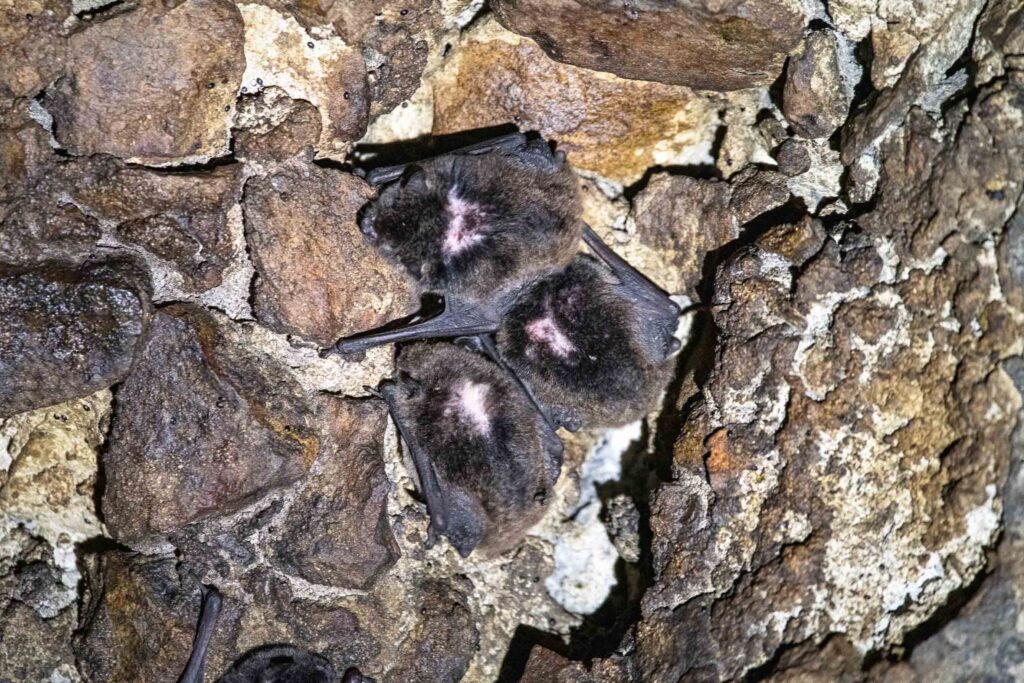
Disturbance of these sites often leads to mass relocation of microbat roosts. Sometimes this means they leave their young behind to starve and die as they are too scared to return. If this occurs in their breeding season it can have devastating effect.
See: What to do if you find Bats in caves, mines, bridges (ABS Publication, 2018)
If their natural habitats are destroyed or disturbed, microbats have to find alternative roosting sites.
This is where they often move into suburbia with an increased risk human-microbat interaction.
Microbats Love Roof And Wall Cavities
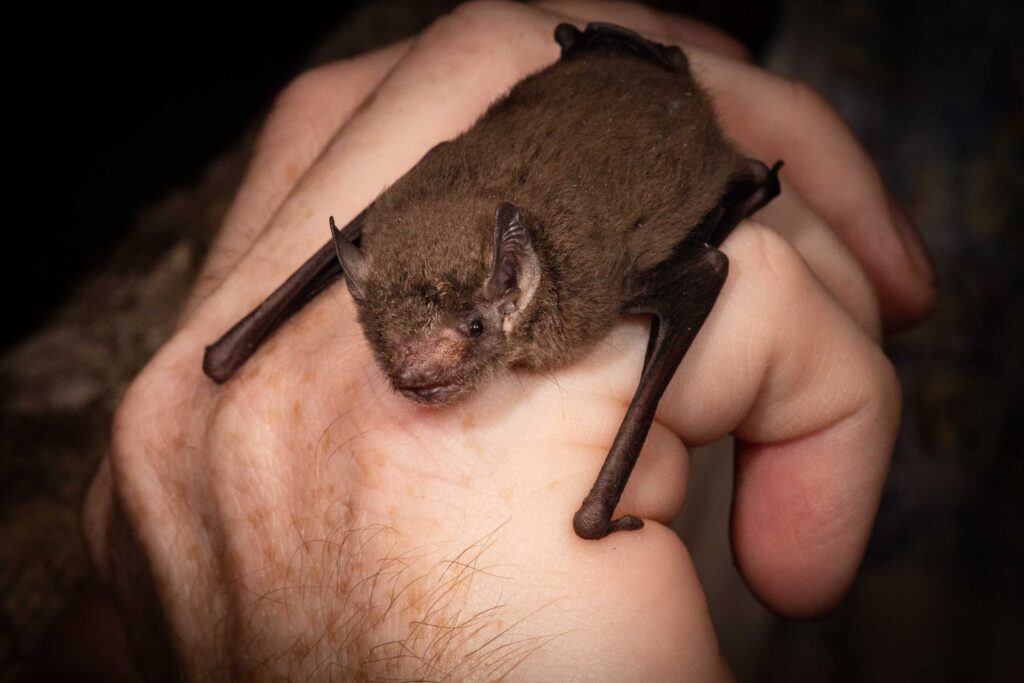
Microbats use roofs and walls in dwellings if they cannot find a suitable hollow. These are warm and often quiet spaces which suit many species of microbat.
However, their presence can disturb an unsuspecting home owner who may be unhappy with their tiny boarders. But there are humane ways to exclude them from homes and provide alternative roost sites.
For those seeking such a solution, read this document (an oldie but a goodie!) : Little Bats in the Wall
Microbats Adore Garden Umbrellas
Another common site to find microbats is inside closed-up garden umbrellas. This is often at great surprise when opened up after lack of use in the winter months!
Evicting Microbats From Their Roosts
In Australia the young (pups) of microbats are born in late spring (November) and remain with their mothers until the end of February-March (mid-summer).
If for whatever reason, you are considering evicting a microbat colony or roost, think about their breeding season.
Any attempt at gentle microbat eviction should ONLY be made in autumn (late March-May). Or at the earliest at least after February and before June. By then we can be certain that the young pups are fully independent of their mums.
Otherwise, their survival is zero to none without the need for human intervention to rescue and bring them into care.
This is no mean feat with these little microbat babies. An extremely intensive, risky and time-consuming process. And with only rare volunteers with the knowledge and expertise to raise this tiny critters, is to be avoided at all costs!
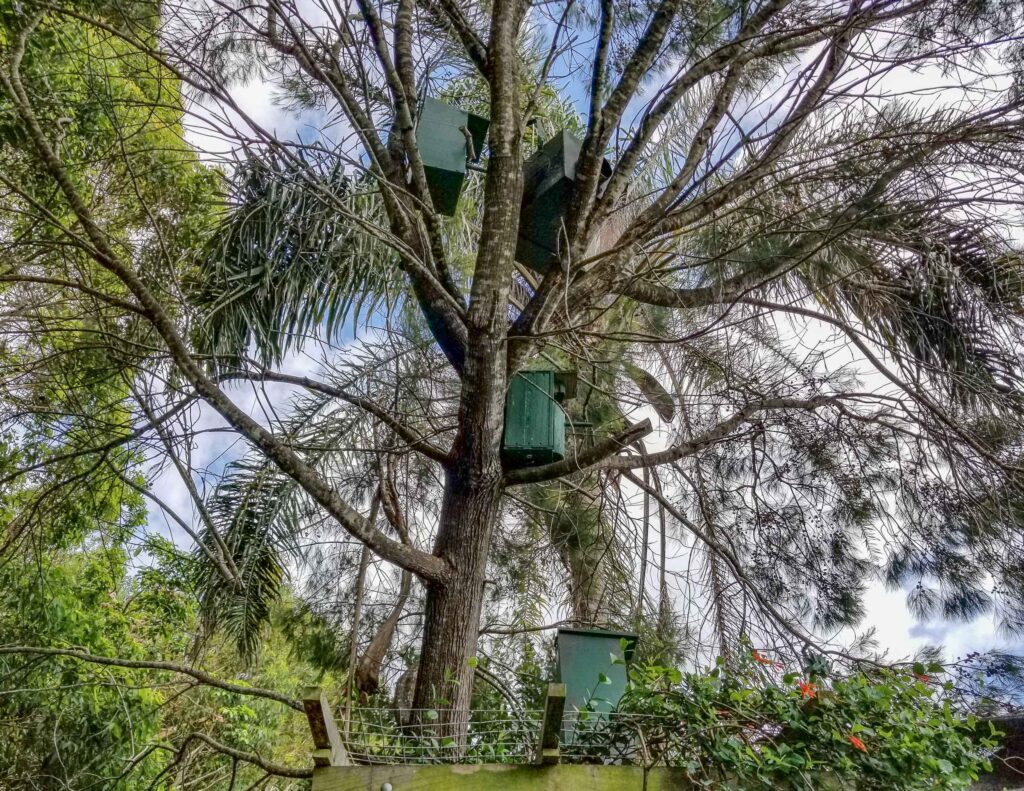
BUILD AND ERECT MICROBAT BOXES TO CREATE ARTIFICIAL ROOST SITES
With increasing loss of habitat and eviction from their chosen suburban roost sites, artificial roost sites are becoming more and more important.
They can provide an alternative home when colonies are displaced. And microbats do use them. So they can be a lot of fun if placed in your own garden. Keep the whole family amused (and educated!) whilst watching their comings and goings during the night!
For more information all about artificial roosts and designing boxes for microbats, read: Boxes For Bats (ABS, 2018 Publication)
Buy One?
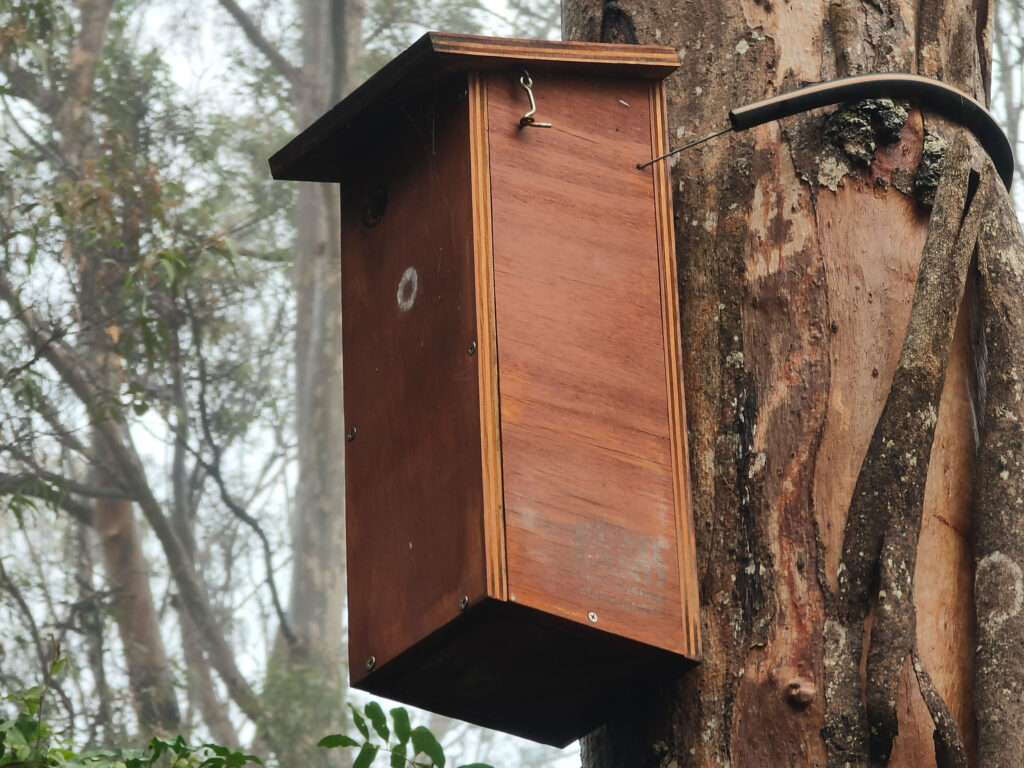
You can buy a pre-made microbat box from many commercial sources. They are variably priced dependent on the materials used.
But for a bat house design that really works, see the work of our very own Sunshine Coast pioneers and nesting box experts, Alan and Stacy Franks at Hollow Log Homes.
Or Build Your Own?
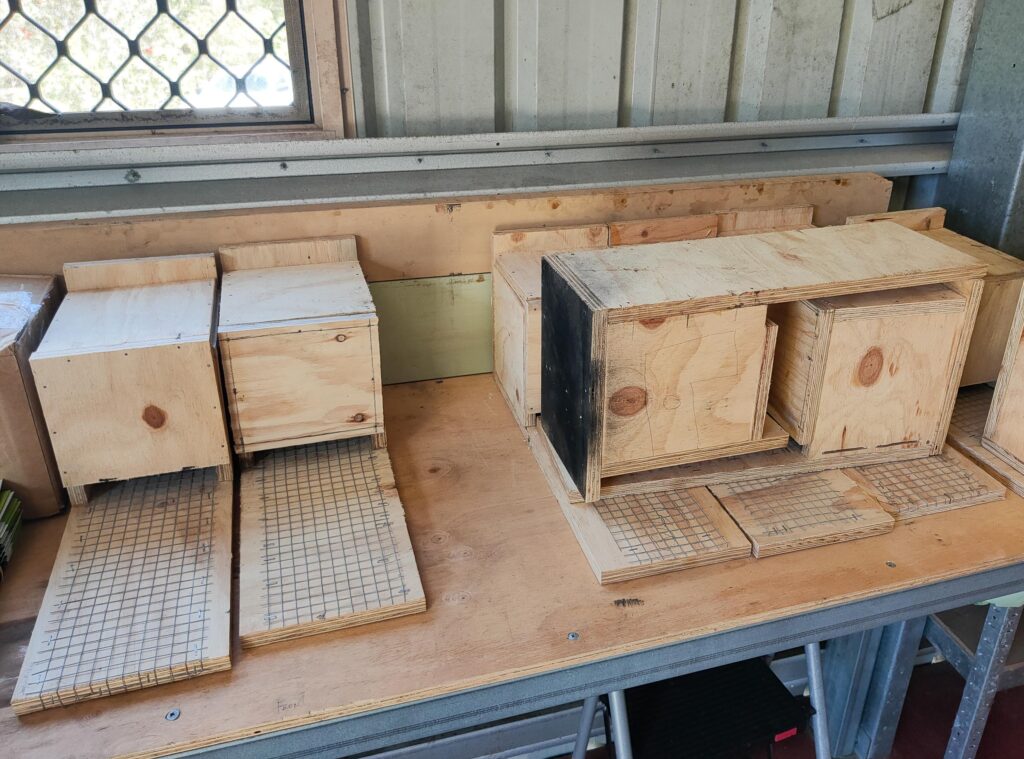
If you want to have a go at building your own microbat box, here are some links to easy-to-build microbat houses:

[Photos courtesy of Irene Isaacson]