
BABY BAT RESCUES
Baby bat rescues are one of the most common rescues in the months of late September to December. This is when our Blacks and Grey-headed Flying-foxes are in their breeding season.
But this rescue season also stretches into our winter months too, when the Little red Flying-foxes are actively breeding as well.
Relationships Between Mother And Baby In The Wild
Baby flying foxes share a very close bond with their mothers. They are completely dependent for the first few weeks of their lives. And so they have to cling constantly for food, warmth and security.
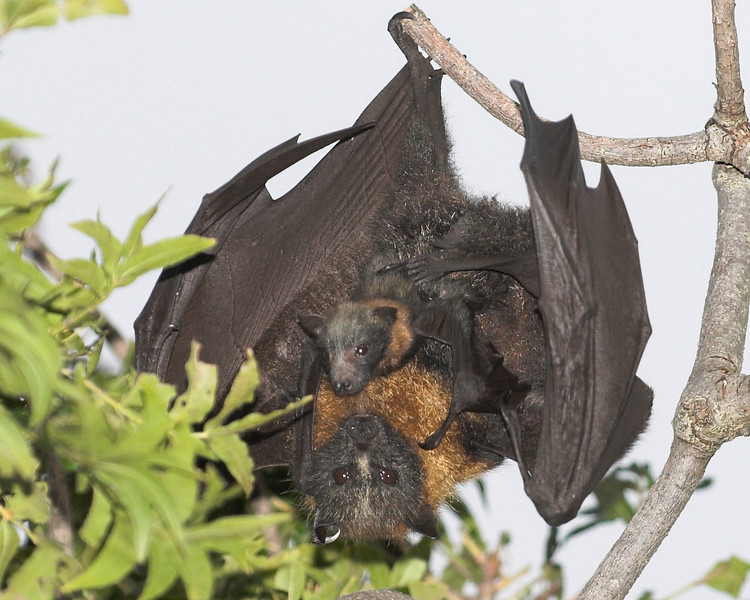
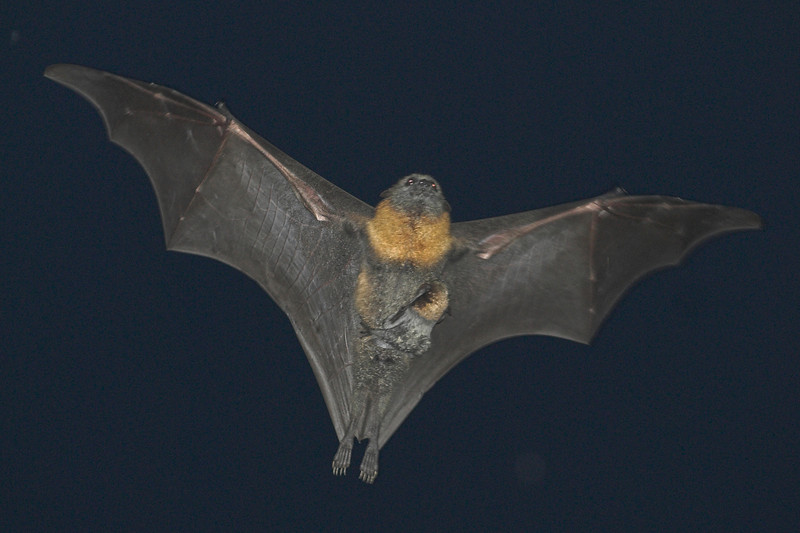
Every night during those early weeks in the wild, a mother will carry her young with her on nightly expeditions to find food.
A flightless baby will cling to its mother’s body whilst attached to one of her underarm(axilla) nipples, tucked under her wings.
Later when old enough, she will forage for food leaving her baby safely back in the colony.
Mishaps and accidents during these expeditions sometimes result in the baby becoming separated or orphaned.
Baby Flying-Fox Rescues
Adult flying-fox rescues can take place all year round. In fact, whenever there are flying foxes in the area.
But when large numbers of flying-foxes congregate for their birthing season the incidence of baby rescues increases dramatically. This is due to all kinds of mishaps causing injury or separation of mother and baby.
All rescues of a female adult flying-fox during these times MUST include a good search of the vicinity for a possible baby.
Often the baby will be crying out for its mother and its call is quite distinctive. Jiggling a set of car keys whilst searching the area may stimulate its distress cry. This can alert a rescuer as to where it is.
Where possible all attempts are made to re-unite a mum and her young.
If a mother bat has sustained treatable injuries, she and her baby will be kept together during her rehabilitation. Then they will be released together.
But if her injuries are treatable but mean she can never be released back into the wild, then it’s another story.
Queensland has a strict Code Of Practice for the care of wildlife (for more read the DES Code of Practice for Caring for Sick, Injured or Orphaned Protected Animals in Queensland, Nature Conservation Act 1992).
This means she will be kept in care long enough until her baby to be completely weaned and able to be independent. Then euthanasia is considered and is often deemed necessary under the Code regulations.
However when injured or orphaned, a baby flying-fox will be rescued and come into care.
COMMONEST MISHAPS
Power Lines
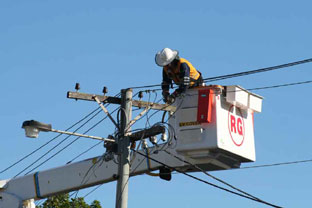
The burden of carrying a rapidly growing and heavy baby on her nightly feeding expeditions poses additional risks. This is particularly hazardous if the mother stops to rest on power lines. Although the mother is invariably electrocuted, surprisingly the baby often survives.
So, ALL bats seen on power lines between late September to December are treated as being potential mothers. And as such may be carrying young hidden in the folds of her wings.
Thus, all hanging bat bodies on power lines during these months need to be investigated urgently and thoroughly.
If you see a bat on power lines, please check to see if you can see a baby. But call Energex urgently on 13 12 53 and report the nearest pole number and street name.
Abandonment
Occasionally a baby bat is accidentally dropped. It may be found on a bush or tree or on the ground all alone. And usually it is calling out or crying for its mother.
But most of the time, the baby is alone and will be rescued to go into care.
Rarely there may be an opportunity to try to reunite the baby with its mother. If she is still seen in the area calling to her young one, then all attempts are made to re-unite mum with her bub.
And if a lactating female is found dead or unable to be released due to her injuries… Yes, the sad reality is that any dependent young left back in the colony will die a horrible slow death from starvation.
Barbed Wire
Mothers flying with their young at night often get caught on barbed wire when searching for food. The outcome for both mother and baby will depend on how long the mother has been caught. And the extent of her injuries.
In rare cases, the mother and baby are able to be rescued and released together. But usually both need to come into care.
However more commonly, the mother is dying or dead, and the baby is then unfortunately orphaned.
Fruit Tree Netting
Mother flying-foxes are often tempted by the lure of an easy meal in a backyard fruit tree. This often results in either mother, baby or both becoming entangled in netting.
CARING FOR A BABY FLYING FOX AFTER A RESCUE
In those seasonal busy times, our team of dedicated volunteer carers are engaged in rearing orphaned baby bats. Sometimes one carer will raise numerous orphans at the same time.
Especially if there has been a major event such as a bush fire or heat stress event. Numbers of orphaned Flying-foxes can be in their hundreds in such times.
Become A Baby Bat Carer
As vaccinated experienced baby bat carers are a rare commodity, they are always in demand. As such, this can be a very stressful time for everyone!
Carers need to mimic the behaviour of a mother bat. This may mean 4 hourly milk feeds, through the night like a human baby! The aim is to eventually weaning them on to fruit when old enough.
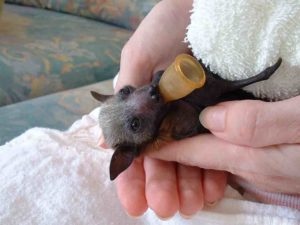
They also have to teach a young bat on how to groom itself. This includes teaching it how to ‘invert’ itself to pee (for those babies who are slow to develop that natural skill alone)!
And don’t forget the ‘how to hang like a bat’ lessons often using a simple clothes airer. This helps to strengthen their wings and learn how to flap and eventually take flight.
This whole process can take weeks to months until an orphan is old enough and ready for release back into the wild.
Adopt A Bat Program
But you can help by sponsoring our Adopt A Bat program. In doing so, you can follow the progress of your adopted baby bat – from rescue to creche, and finally to release back into the wild.
So what’s stopping you?
Get that warm fuzzy feeling and DO IT NOW!